How to Choose the Right Size Mountain Bike
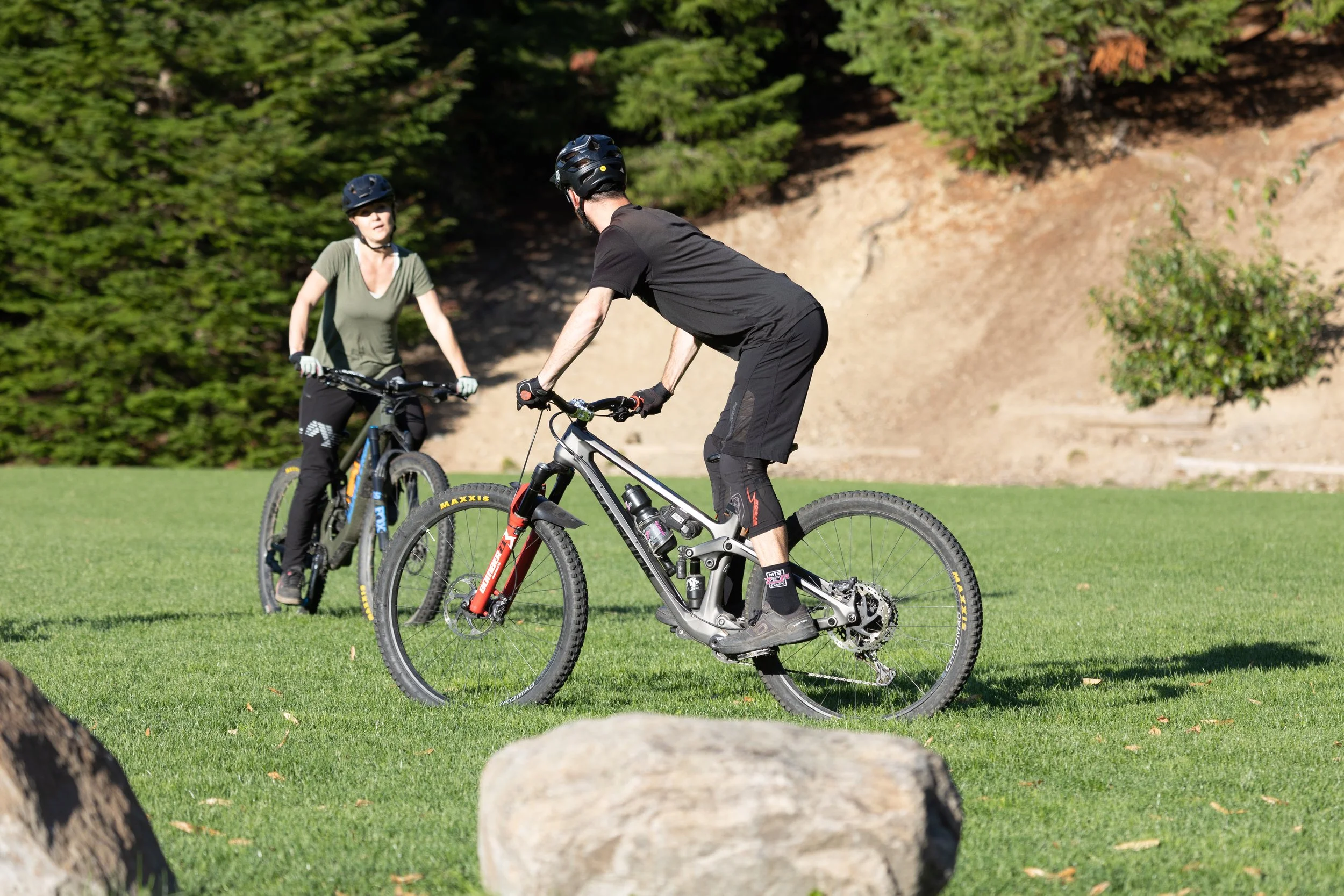
Mountain bike size and set up is similar to free skill, helping riders feel more comfortable, controlled and balanced..
Tips from Professional Mountain Bike Coaches
Choosing the right size mountain bike can make a huge difference in confidence, control, and skill progression—especially when riding technical terrain like the Whistler Mountain Bike Park and surrounding trail networks.
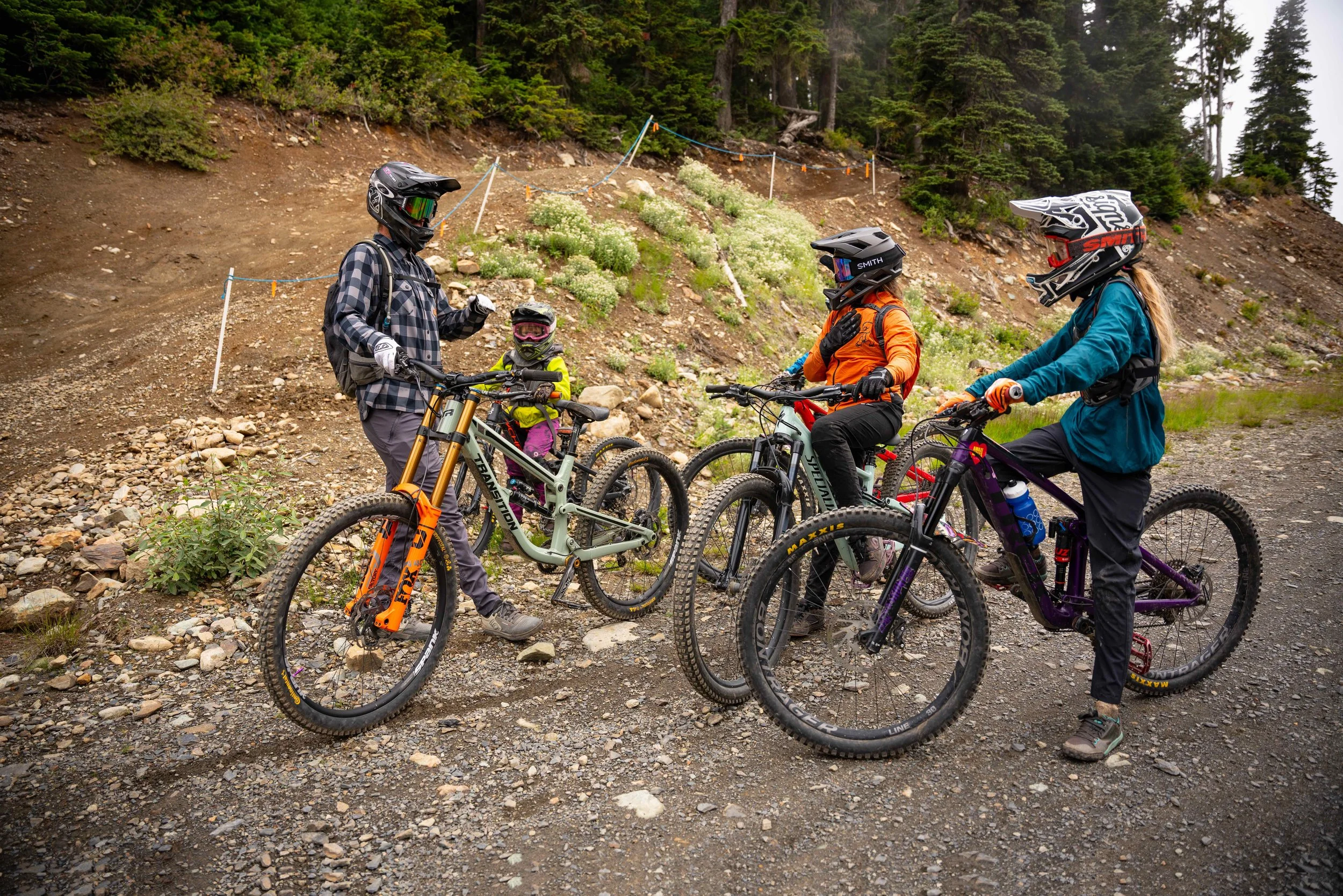
At ZEP Mountain Bike Coaching, one of the first things we look at during Whistler mountain bike lessons and skills clinics is whether a rider’s bike is set up correctly. A bike that fits properly allows riders to move comfortably, maintain balance, and develop strong riding fundamentals.
Many riders are surprised how much easier riding becomes when their bike size and setup are dialled in.
This article shares some key principles riders should understand when choosing the right mountain bike size.
For coaches and instructors looking for the full educational framework behind these principles, see the detailed article published by the Global Syndicate of Mountain Bike Coaches (GSMBC) here:
👉 https://www.gsmbc.pro/gsmbcblog/how-to-help-your-mountain-bike-students-choose-the-right-size-bike
Many Riders Can Fit Two Bike Sizes
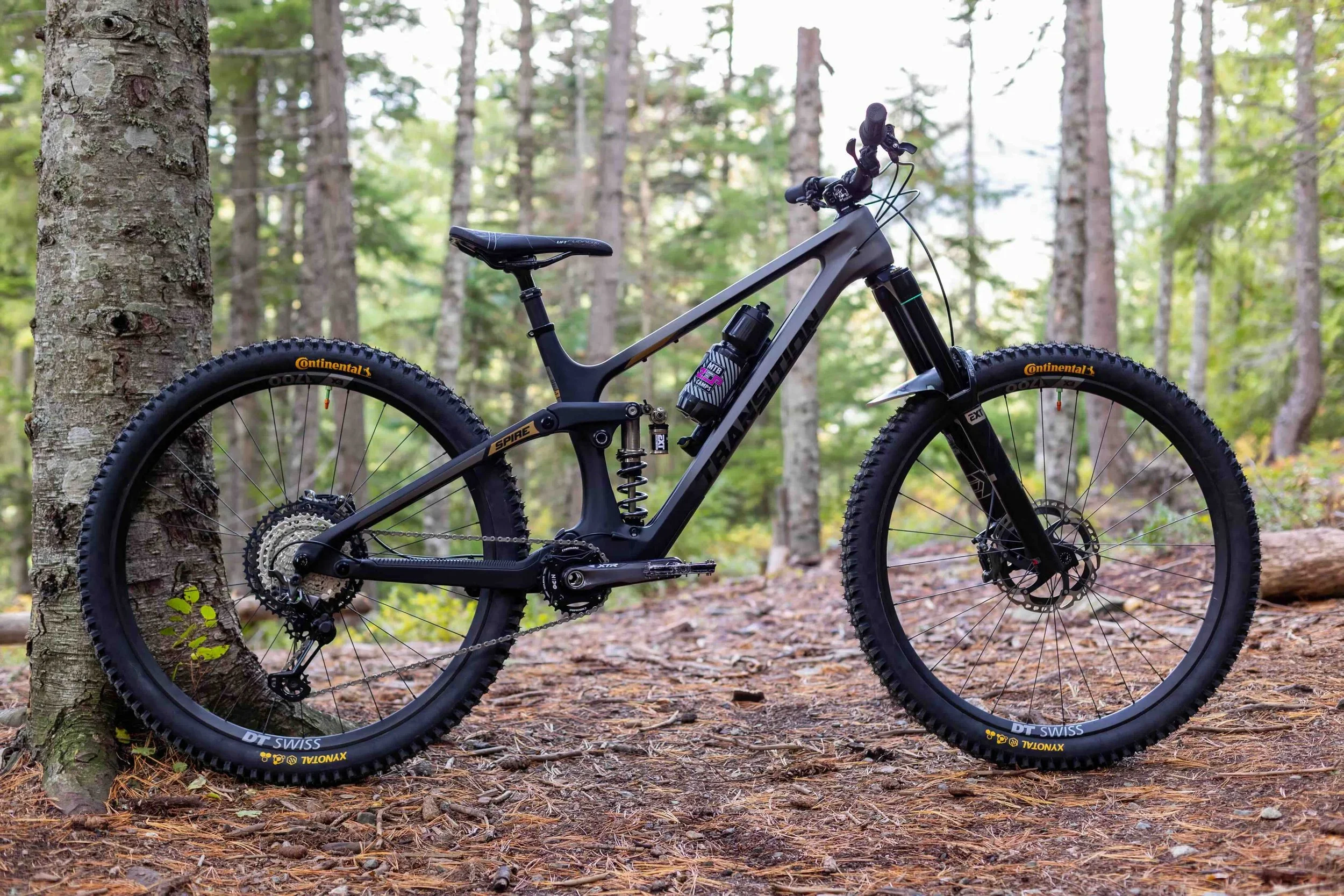
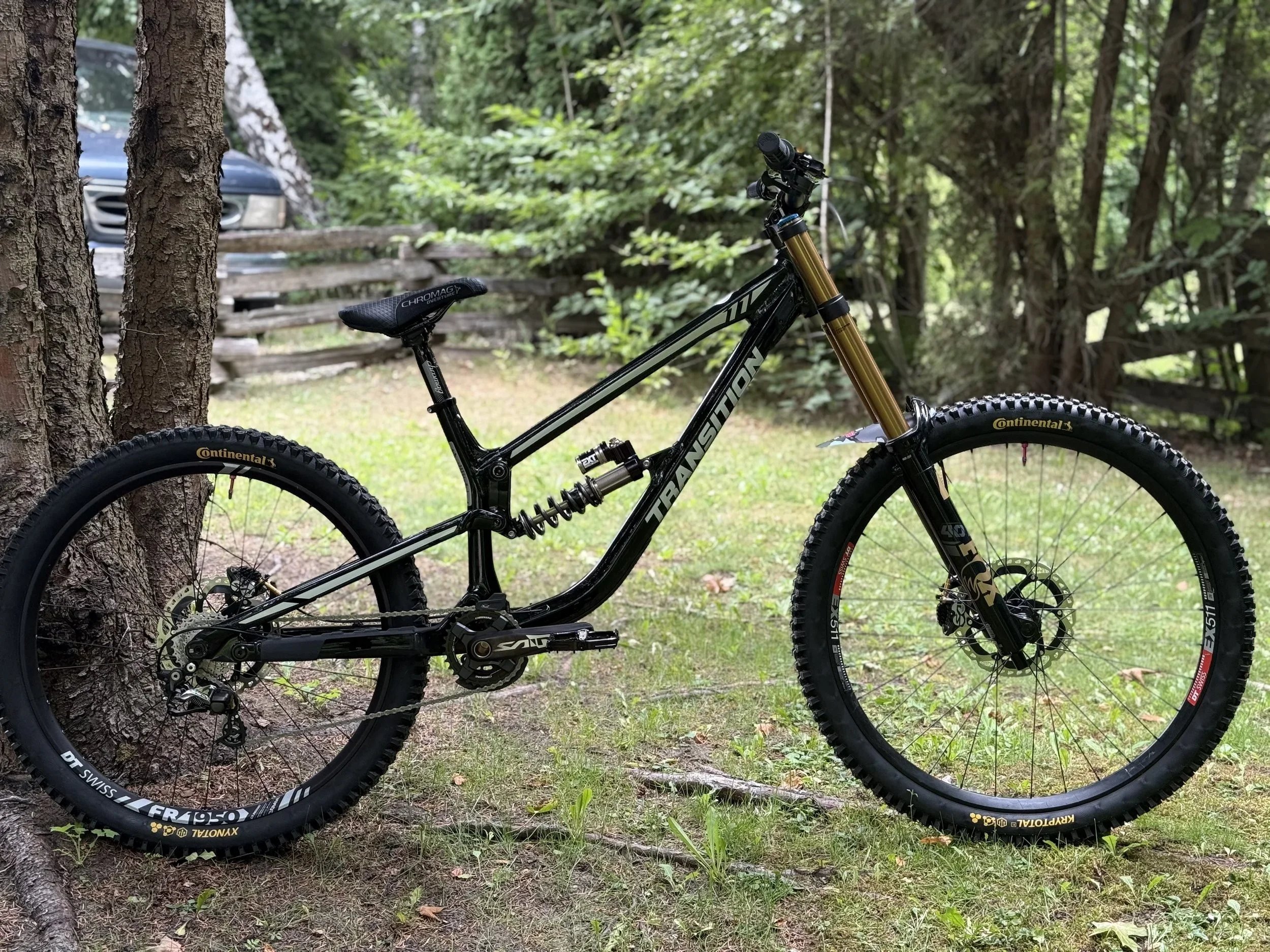
Bike sizing is not always exact. Many adult riders can comfortably ride two different frame sizes depending on riding style, skill level, and terrain.
Paul Howard explains:
“Bike sizing is about more than numbers. Many riders can fit two sizes, and the right choice often depends on how and where they ride.”
For example, Paul is 6’2” and can ride either a Large or XL enduro bike.
He often prefers the Large, because the slightly shorter wheelbase makes the bike more maneuverable on tight, technical terrain while still providing enough stability for high-speed trails and bike park riding.
An XL might be preferred if the focus was primarily high-speed riding or larger jump lines.
The takeaway for riders is simple:
Shorter bikes tend to feel more maneuverable
Longer bikes tend to feel more stable at speed
Choosing between sizes often depends on riding style.
Mountain Bike Size Guide Based on Rider Height
Bike size charts provide a useful starting point.
| Rider Height | Frame Size (inches) | Frame Size (XS–XXL) | Wheel Size |
|---|---|---|---|
| 4'0"–4'6" | 12–14" | XS | 20–24" |
| 4'6"–5'0" | 14–16" | S | 24" or 26" |
| 5'0"–5'4" | 16–17" | M | 26" or 27.5" |
| 5'4"–5'8" | 17–18" | M/L | 27.5" or Mullet |
| 5'8"–6'0" | 18–19" | L | 27.5" or 29" |
| 6'0"–6'3" | 19–21" | XL | 29" |
| 6'3"+ | 21–23" | XXL | 29" |
However, these charts are only starting points.
Every rider has different proportions:
arm length
leg length
torso length
riding style
That’s why professional coaches often evaluate how the bike actually feels while riding, not just the numbers on a chart.
Bike Sizing for Kids (and Smaller Riders)
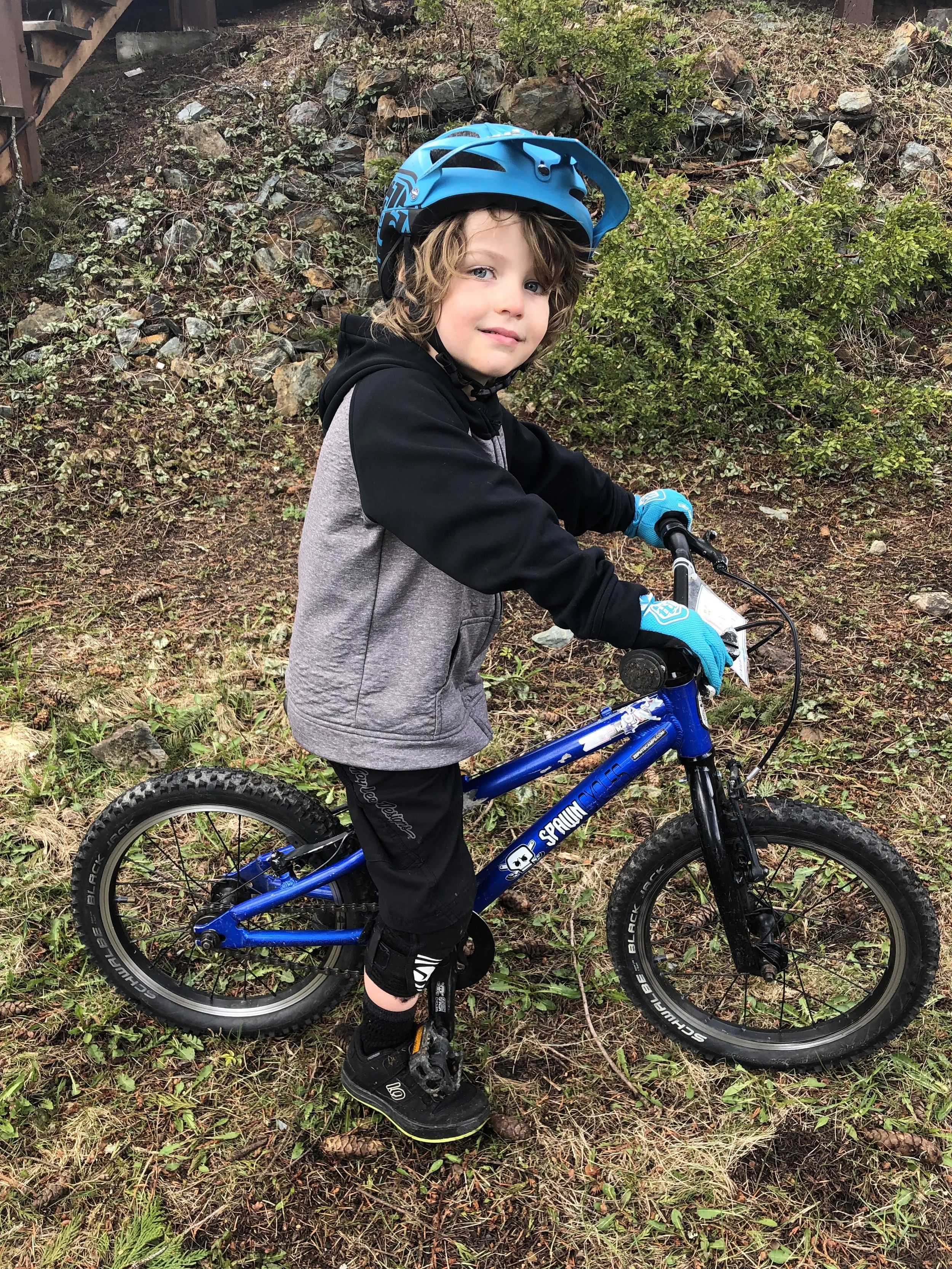
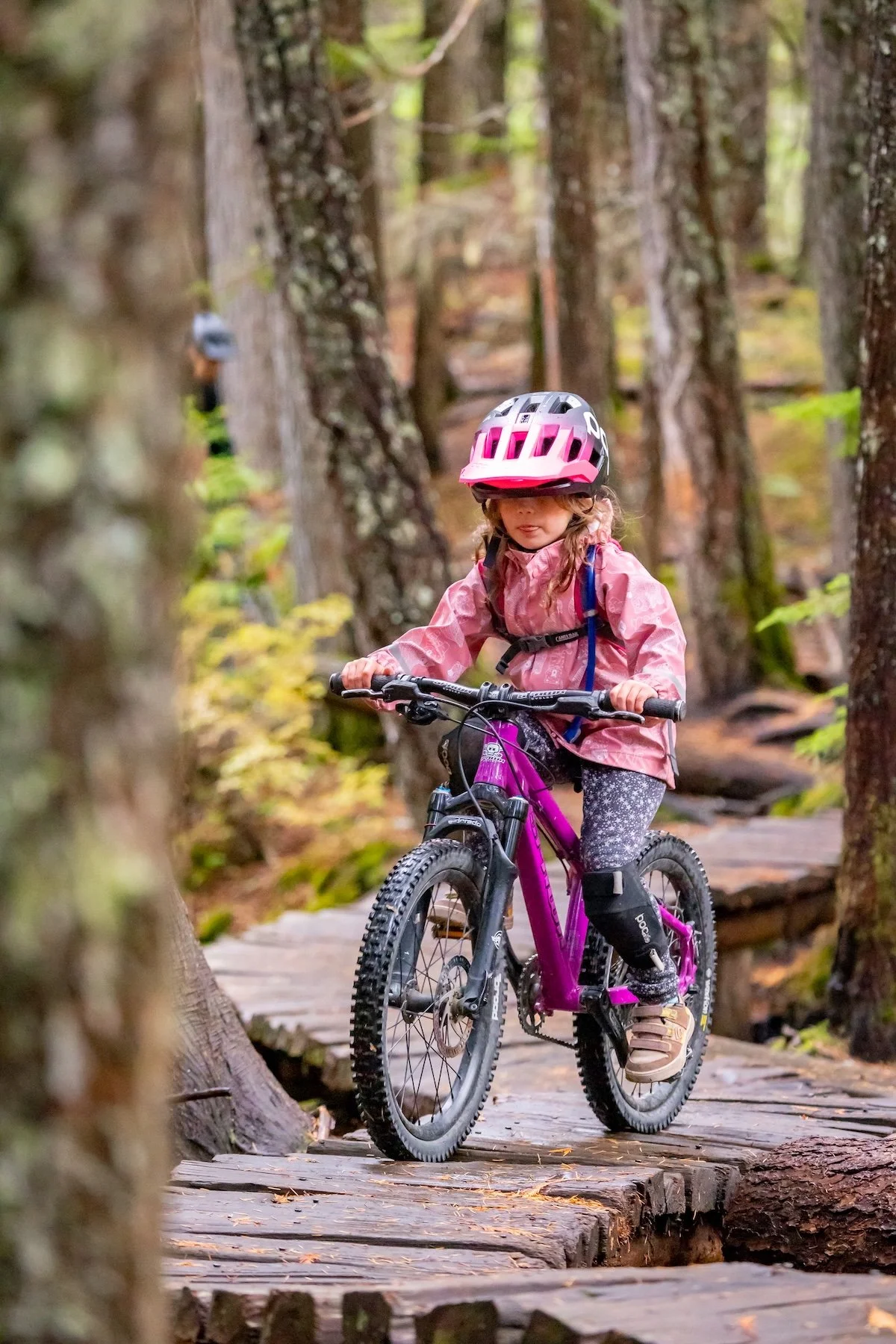
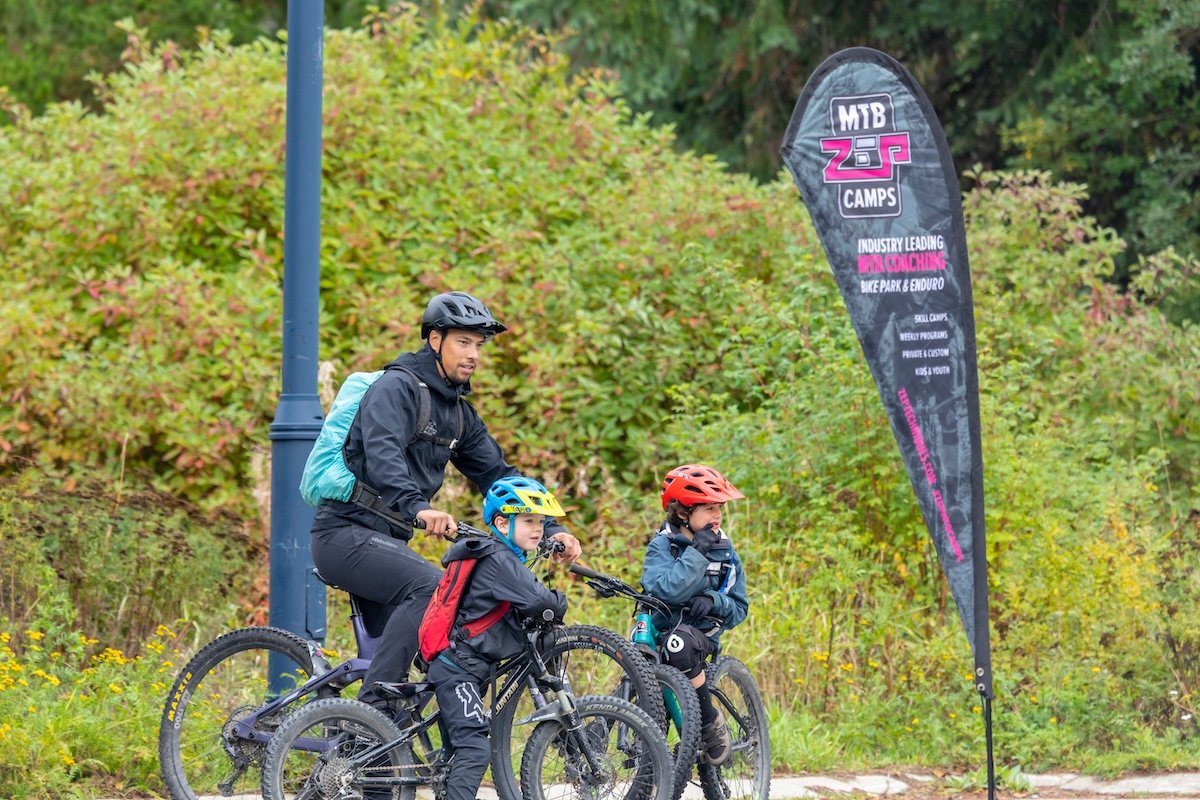
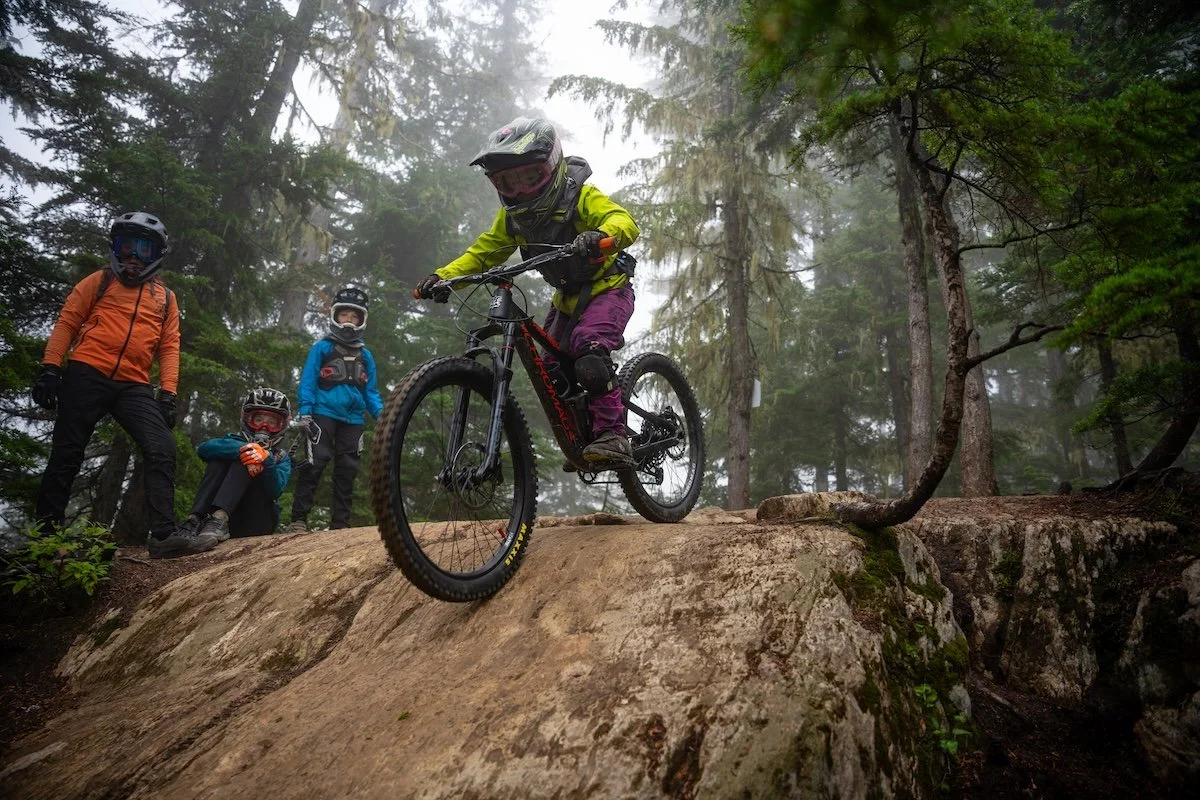
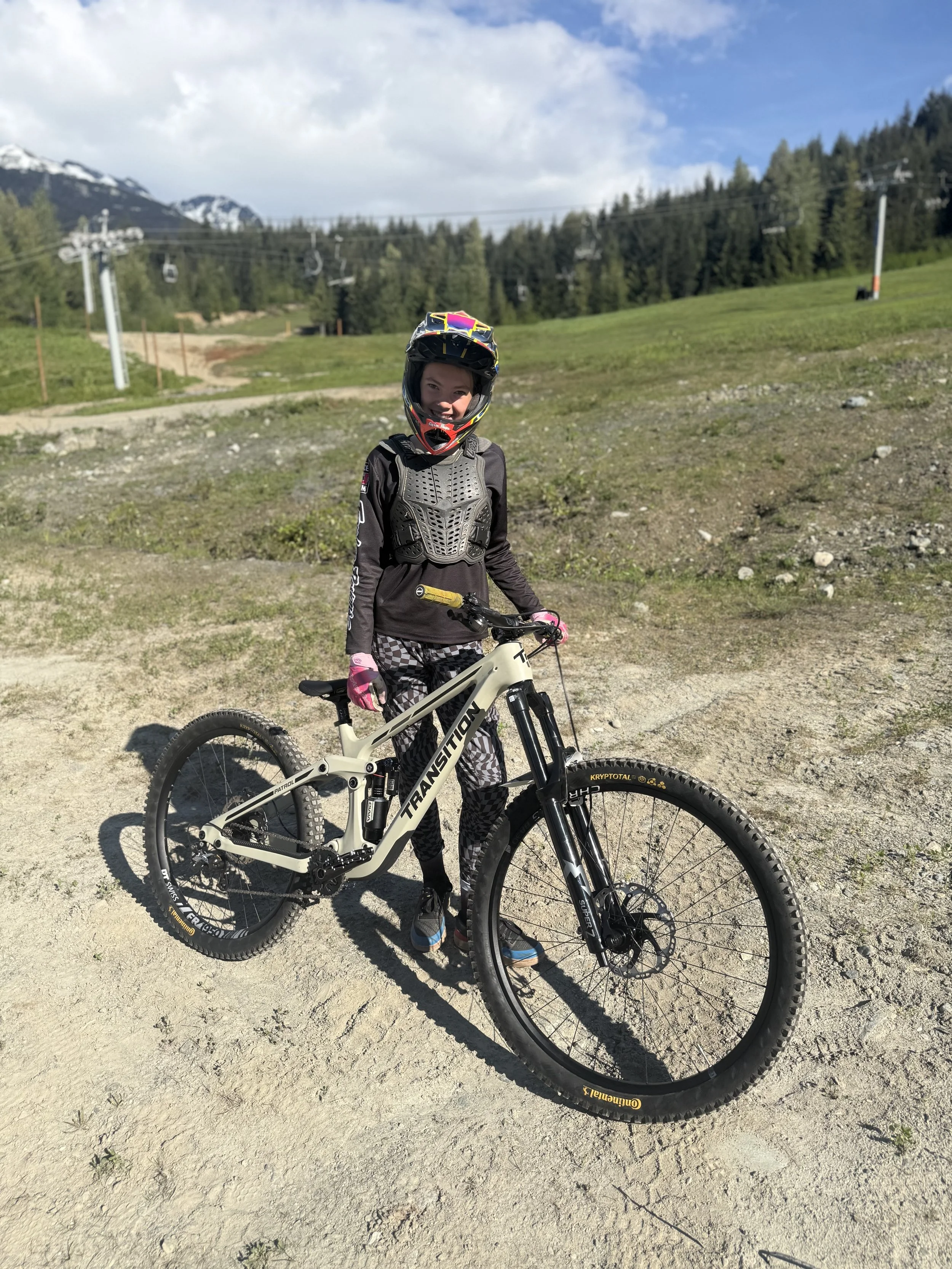
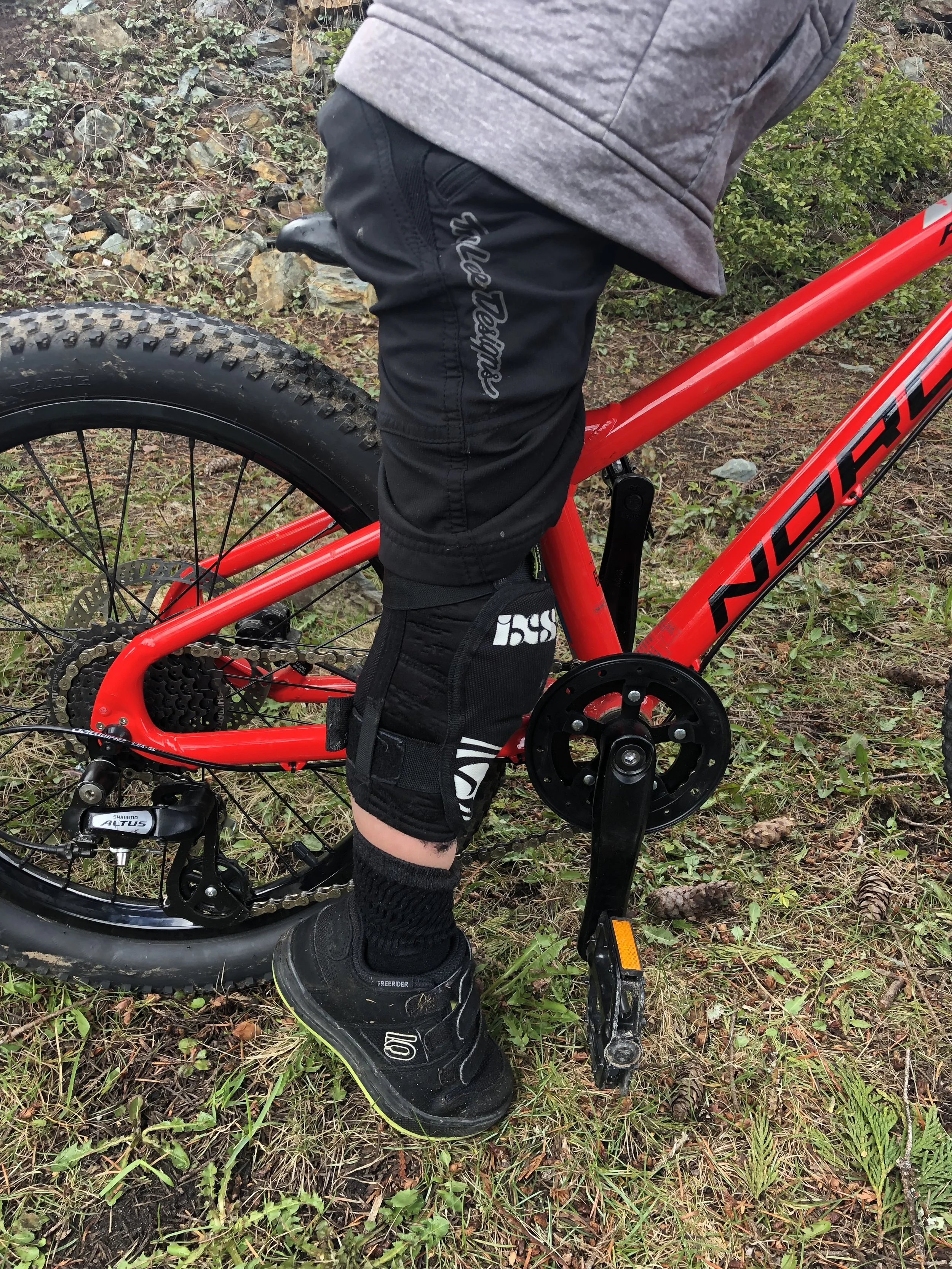
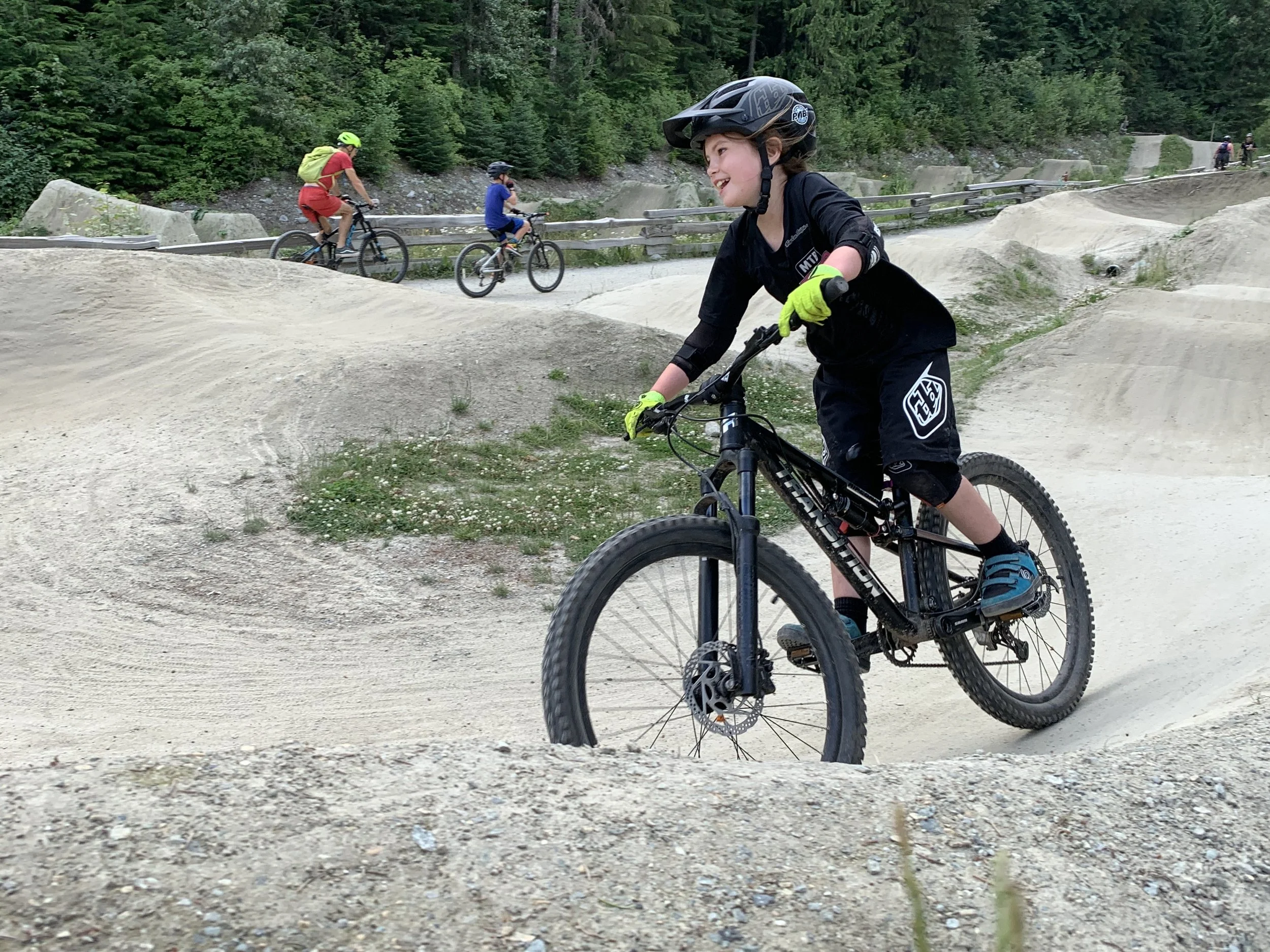
Kids’ mountain bikes are usually sized by wheel diameter rather than frame size.
Typical guidelines include:
| Wheel Size | Recommended Riders |
|---|---|
| 24-inch | Ideal for children 8–12 years old |
| 26-inch | Suitable for teens or smaller adults, around 4’6” – 5’2” |
| 27.5-inch / 27.5–29" Mullet | Great for riders 5’2” – 6’0” |
| 29-inch | Recommended for riders 5’6” and taller |
Kids grow quickly, which means parents often face situations where a bike may be slightly small or slightly large.
Fortunately, small adjustments can make a big difference:
moving the seat forward on the rails
shortening the stem
narrowing handlebars
adjusting brake lever reach
These changes can help riders feel more comfortable and confident while they grow.
Signs Your Mountain Bike Might Be the Wrong Size
During Whistler MTB coaching sessions, instructors often look for signs that a bike may not fit correctly.
A bike may be too long if:
the rider feels stretched out
there is too much weight on the hands
the rider struggles to stand comfortably in a neutral riding position
A bike may be too short if:
the rider feels cramped
the rider easily shifts too far over the rear wheel
there is limited room to move on the bike
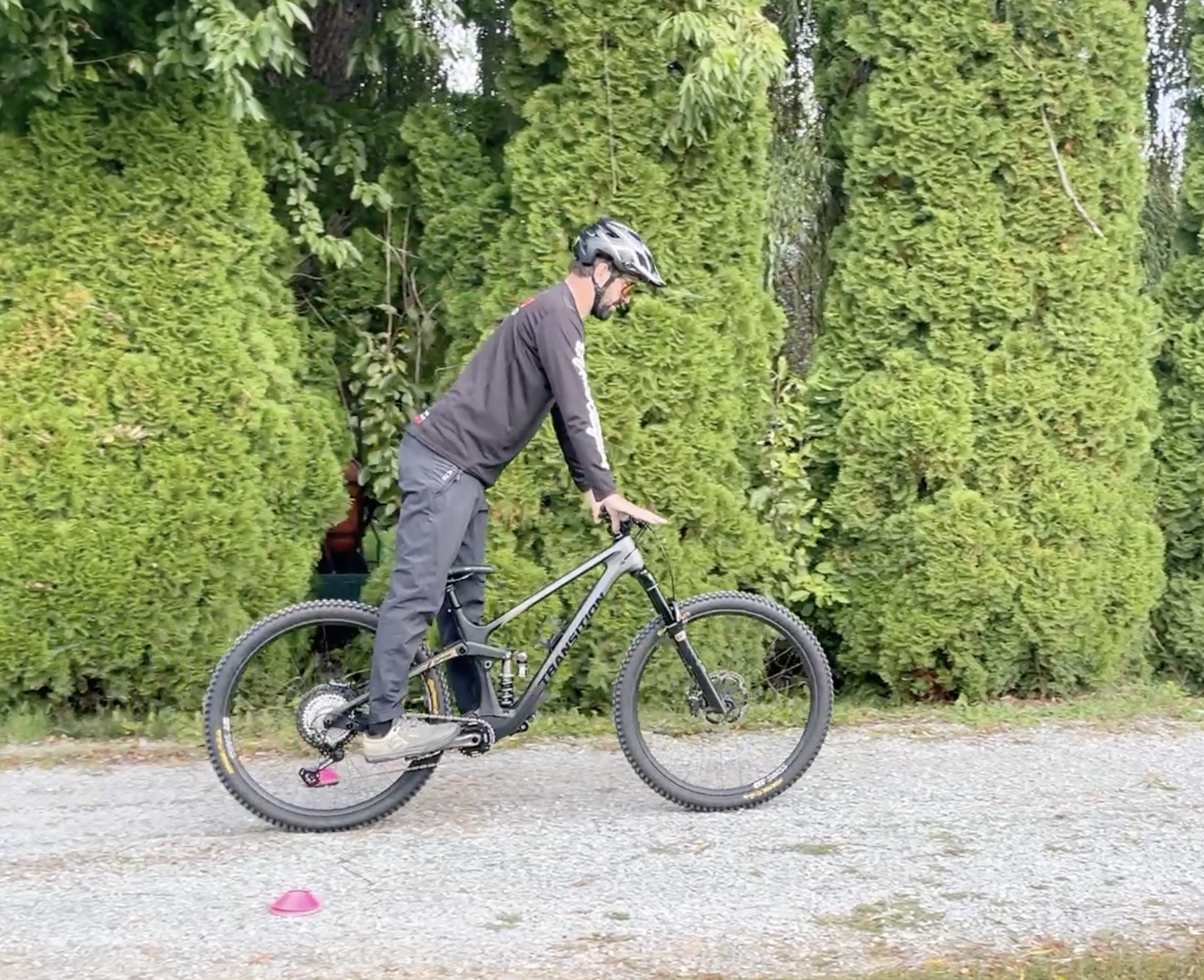
Correct bike fit allows riders to stand comfortably in a balanced neutral position with most of their weight in their feet.
Bike Fit Is More Than Pedalling Position
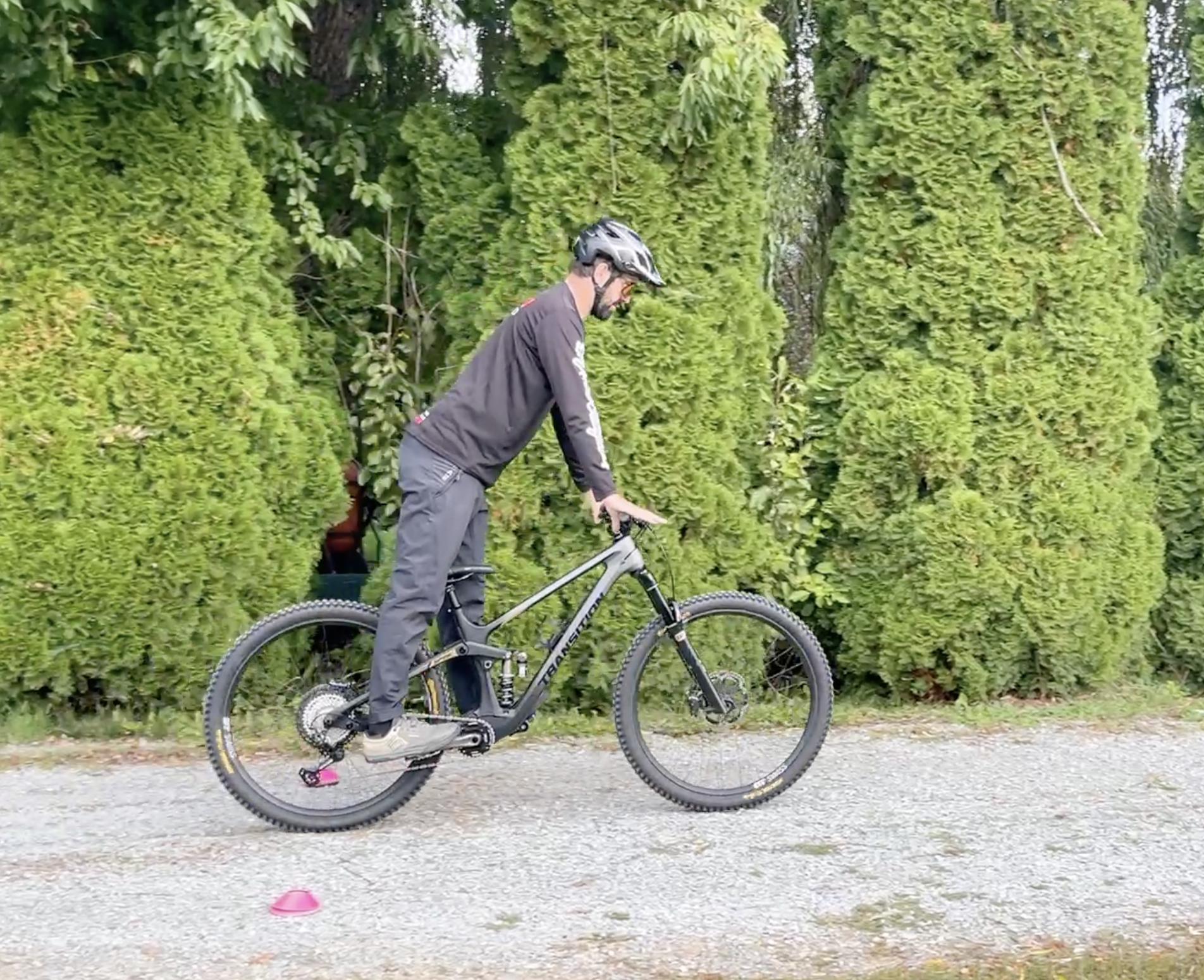
Bike Fit: Beyond Pedalling Position
A well-fitted mountain bike is not solely determined by the pedalling position; rather, it encompasses the overall riding experience, particularly when standing up. Traditional bike fit classes often draw heavily from road cycling, resulting in a focus solely on the pedalling position.
Mountain bikers spend a significant amount of time controlling and manipulating the bike while standing up, coasting. Consequently, the fit and ride qualities, such as ease of lifting the front wheel, applying pressure, shifting between wheels, turning, steering, and maintaining stability and balance, are influenced by various factors, including chain stay length, wheelbase, and the distance between the bottom bracket and handlebars.
Many traditional bike fit approaches focus heavily on pedalling position, which comes from road cycling.
However, mountain bikers spend much of their time standing and controlling the bike while descending.
This means overall bike handling is influenced by several factors:
wheelbase length
reach to the handlebars
chainstay length
suspension setup
A well-fitted mountain bike should feel balanced, stable, and easy to maneuver when standing.
Small Setup Changes Can Make a Big Difference
Riders often don’t need a completely new bike to improve fit.
Small adjustments can dramatically improve comfort and control:
adjusting seat height
moving the saddle forward or backward
lowering the seat slightly for new riders
adjusting brake lever reach
setting suspension sag correctly
These small details are frequently addressed during mountain bike lessons and coaching sessions in Whistler.
Why Bike Fit Matters for Skill Development
When a bike fits properly, riders can focus on developing skills instead of fighting their equipment.
Correct bike fit improves:
stability
maneuverability
confidence on steep terrain
braking and cornering control
For riders visiting Whistler, where trails can be steep and technical, having the right bike setup makes learning new skills much easier.
Learn More from the GSMBC Coaching Framework
Many of the coaching principles used at ZEP Mountain Bike Coaching come from the Global Syndicate of Mountain Bike Coaches (GSMBC).
GSMBC develops professional coaching standards and educational resources used by mountain bike instructors around the world.
For a deeper dive into how coaches evaluate bike sizing and setup for students, read the full GSMBC article here:
👉 https://www.gsmbc.pro/gsmbcblog/how-to-help-your-mountain-bike-students-choose-the-right-size-bike
Ride and Progress in Whistler with ZEP Mountain Bike Coaching
Founded in 2006, ZEP Mountain Bike Coaching offers:
Whistler mountain bike lessons
Whistler Bike Park coaching
mountain bike skills clinics
youth programs and camps
Our programs help riders build strong fundamentals and confidence on Whistler’s world-class trails.
Learn more about Whistler mountain bike lessons and coaching programs here: